METHOD / OTHER
VARIATIONS: 4
Matcha
Powdered green tea, whisked with a chasen. Japanese ritual — delicate, grassy, umami.
- Good to start with Usucha Thin matcha, everyday Japanese preparation. Light, aerated, with a soft crema.
- Iced Matcha Latte Iced version with milk. Whisk a concentrated paste with a bit of hot water, then pour over ice + cold milk.
- Koicha Thick matcha, ceremonial preparation. Concentrated, no foam, blended with slow circular kneading. Use ceremonial-grade matcha only.
- Matcha Latte Matcha with warm milk. Whisk into a concentrated paste first, then pour steamed milk over.
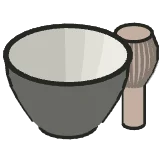

Optional: get to know each piece of the bench before you start.
The tea bowl. Its wide base gives the chasen room to whisk without splashing.
[01]How matcha preparation works
Matcha is not extraction — it is suspension. The stone-ground green tea powder does not steep; it disperses in the water: you drink the whole leaf, not an infusion of it. That is why there is no "brew time"; preparation means whisking the powder into water with a chasen (bamboo whisk) until fully dispersed.
This also shifts what matters: powder quality outweighs any technique. A fresh ceremonial matcha is sweet, grassy and full of umami; an oxidized culinary powder is bitter no matter how you prepare it.
[02]Dose, water and temperature
Water between 70 and 80°C — never boiling, which scorches the powder and brings bitterness and astringency. Sifting the matcha before whisking is the most underrated step: it breaks up the clumps the chasen alone cannot. Doses vary by style: 2 g to 70 ml for usucha, 4 g to 30 ml for koicha, 2 g as a concentrated paste for lattes.
[03]Usucha, koicha or latte
Usucha is the thin everyday matcha of Japan: whisked vigorously in a W motion until a light, airy foam forms. Koicha is the thick ceremonial matcha — double the powder in a third of the water, blended with a slow circular kneading motion, no foam; it demands top-grade powder, because there is nowhere for flaws to hide. The Matcha Latte and Iced Matcha Latte start from a concentrated paste whisked in a little hot water, topped with steamed milk or ice and cold milk.
[04]Common mistakes
Boiling water — the number one mistake, guaranteed bitterness; skipping the sieve and fighting clumps; stirring usucha in circles instead of the fast, loose-wristed W that actually builds the foam; using plain culinary matcha for usucha or koicha (it belongs in lattes, where milk rounds it off); and storing opened powder outside the fridge — matcha oxidizes fast and loses its sweetness within weeks.